
A water cooled ice machine offers a reliable cooling solution for high-heat commercial kitchens. When selecting a water cooled ice machine, understanding the difference between air-cooled and water-cooled systems is essential for performance and ROI. This guide explores the pros and cons of each to help you make the right choice for your kitchen in 2026.
According to Energy Star benchmarks, cooling efficiency is a key factor in reducing operational costs.
Table of Contents
- How a water cooled ice machine Works
- When MUST You Choose a Water Cooled Unit?
- Comparison Matrix: Cooling Efficiency in 2026
- The ROI: Is Water Usage Worth it?
- Why HuaChill water cooled ice machine Tech is Different
1. How a water cooled ice machine Works
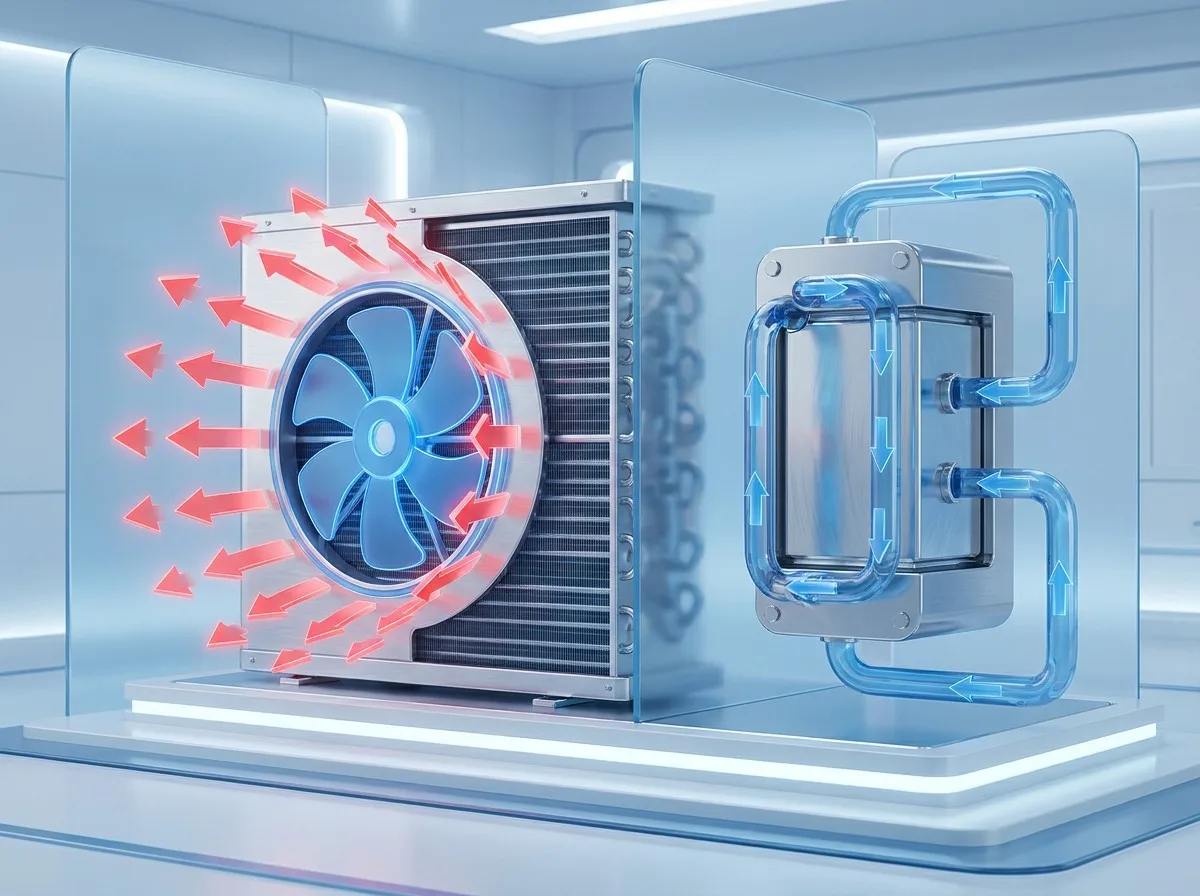
Air-Cooled Systems
These machines function much like a car radiator. A fan blows air through condenser coils to pull heat away from the refrigerant.
- The Advantage: Lowest installation cost and zero additional water usage.
- The Limitation: They rely on the ambient room temperature. If your kitchen is hot (above 90°F), ice production will drop significantly.
Water-Cooled Systems
These units use a dedicated water line that flows alongside the refrigerant in a heat exchanger, carrying the heat away into a drain. A water cooled ice machine is often the best choice for high-heat environments.
- The Advantage: They are completely independent of room temperature. Whether your kitchen is 70°F or 100°F, a water cooled ice machine will produce the same amount of ice every day.
- The Limitation: Increased water consumption and the need for two separate water lines (one for ice, one for cooling).
For more details on sizing, check out our Commercial Ice Machine Sizing Guide.
2. When MUST You Choose a water cooled ice machine?
While air-cooled is the industry standard for most, there are three scenarios where HuaChill water cooled ice machine series is the only logical choice:
- Extreme Heat Environments: If your ice machine is placed next to a pizza oven or in a kitchen without powerful HVAC, an air-cooled unit will struggle to freeze.
- Greasy, Small Spaces: Air-cooled condensers act like a vacuum for airborne grease and flour, requiring weekly cleaning. Water-cooled systems are sealed, making them ideal for bakeries and fry stations.
- Noise-Sensitive Areas: Because there is no large condenser fan, water-cooled machines are significantly quieter, making them perfect for luxury hotel hallways or open-concept bars.
3. Comparison Matrix: Cooling Efficiency in 2026
| Feature | Air-Cooled | water cooled ice machine |
|---|---|---|
| Installation Cost | Lower | Higher |
| Ambient Temp Impact | High | Zero |
| Water Usage | None (for cooling) | High |
| Energy Consumption | Higher in Heat | Lower & Stable |
| Noise Level | Audible | Very Quiet |
4. The ROI: Is Water Usage Worth it?
A common myth is that a water cooled ice machine is too expensive to run. However, in a hot kitchen, an air-cooled compressor works 30% harder and longer to make the same amount of ice. The savings in electricity and the extended lifespan of the compressor often offset the cost of the cooling water.
5. Why HuaChill water cooled ice machine Tech is Different
The 2026 HuaChill water cooled ice machine lineup features our proprietary High-Efficiency Heat Exchangers. We’ve optimized the water-to-refrigerant ratio to use 20% less cooling water than standard industrial models while maintaining peak freeze speeds.
Conclusion: Let Your Environment Decide
Choosing between an air cooled vs water cooled ice machine is about matching the equipment to your unique environment. If you have a cool, ventilated space, go with air-cooled. If you’re fighting high temperatures and grease, water-cooled is your best partner.
Still undecided?
Request a Cooling Audit from HuaChill engineering or Browse our water cooled ice machine catalog today.
Frequently Asked Questions (FAQ)
Are water-cooled ice machines more efficient?
Yes, in high-ambient temperature environments (above 90°F), a water cooled ice machine is significantly more efficient than an air-cooled model. Because water is a more effective heat conductor than air, the machine doesn’t have to work as hard to freeze the ice, leading to lower energy bills and a longer-lasting compressor.
How much water does a water cooled ice machine use?
Standard models can use a significant amount of water for cooling. However, HuaChill’s 2026 series is designed with high-efficiency heat exchangers that reduce cooling water consumption by 20%, making them a more sustainable choice for modern kitchens.
Which is better for a small kitchen?
In a small, poorly ventilated kitchen, a water cooled ice machine is often better because it does not discharge hot air into the room, which would otherwise strain your HVAC system and make the workspace uncomfortable for staff.
Do I need special plumbing for a water cooled ice machine?
You will need a dedicated water inlet and a drain specifically for the cooling system, in addition to the standard lines used for making the ice itself. Consult with a professional plumber to ensure your facility can support these requirements.
For more commercial kitchen tips, follow the HuaChill Blog.